CBAM for aluminium importers
Aluminium is one of the six CBAM sectors. In scope are unwrought aluminium and certain processed products. The particular feature lies in the emissions, which arise not from the smelting but from the electricity used.
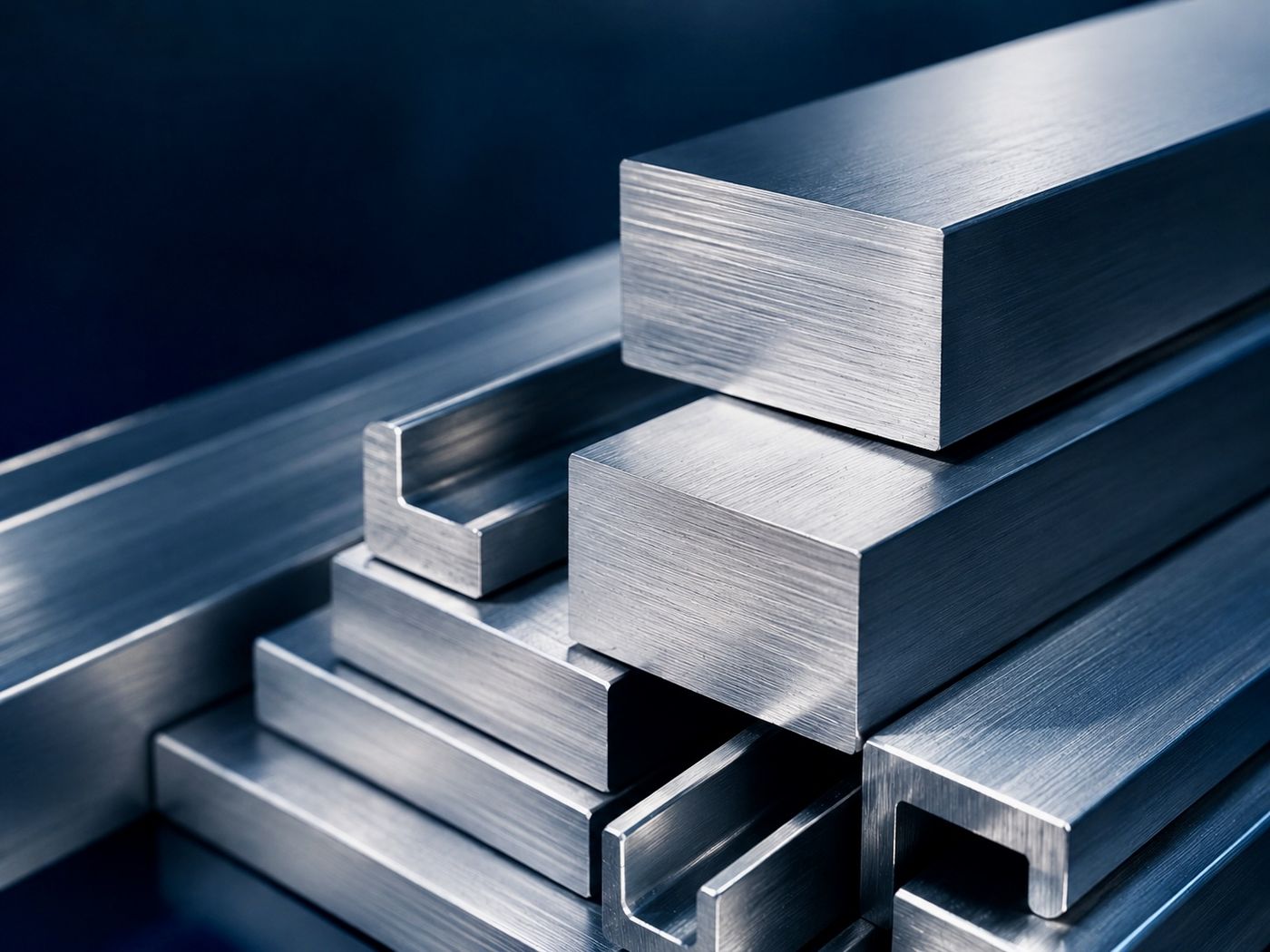
- Unwrought aluminium and selected semi-finished products fall under the CBAM.
- The emission balance depends heavily on the electricity mix of production.
- Aluminium importers, too, usually pass the 50-tonne threshold by a wide margin.
Which products are caught
In aluminium the CBAM covers unwrought aluminium together with a range of semi-finished products and goods such as bars, profiles, plates, strips, foil, tubes and selected articles. Here too the specific CN code is decisive. An article list cleanly mirrored against the CBAM-relevant codes gives you clarity on actual scope.
The electricity question
Aluminium is electricity-intensive. A substantial part of the embedded emissions comes not from the process itself but from power generation. That makes the smelter's electricity mix a central figure. Producers with a high share of low-emission energy can report markedly better values. Without reliable data, default values apply, and they do not render those differences in your favour.
Quantity and threshold
As with steel, the rule holds: anyone importing aluminium for industry usually crosses the 50-tonne de minimis threshold. Declarant status and data obligations become relevant. The question is not whether, but how well prepared.
What makes sense now
Map your articles to CN codes, establish the cumulative annual quantity and start the data request with your suppliers early. Obtaining real values takes weeks, not days. Start just before the first reckoning and you pay on default values.
Written and maintained by the EnergyFlow Regulatory Desk, the CBAM-focused division of EnergyFlow GmbH. As of June 2026. Legal basis: Regulation (EU) 2023/956, amended by the Omnibus Regulation (EU) 2025/2083 (Official Journal of the EU, 17 October 2025). Primary sources: EUR-Lex and the official CBAM page of the European Commission.
Information on the CBAM is given to the best of our knowledge, as of June 2026, without guarantee. Dynamic values such as certificate prices, default values and deadlines can change. The applicable legal acts and the competent authorities are decisive. This article is not legal, tax or customs advice.
What does this mean for your imports?
General explanations are a start. The CBAM Decision File examines your specific case in seven working days.