CBAM for cement importers
Cement and clinker are among the most emission-intensive CBAM goods. A large part of the emissions arises from the process itself, in the burning of limestone, independent of the fuel used. That makes the cost effect per tonne high.
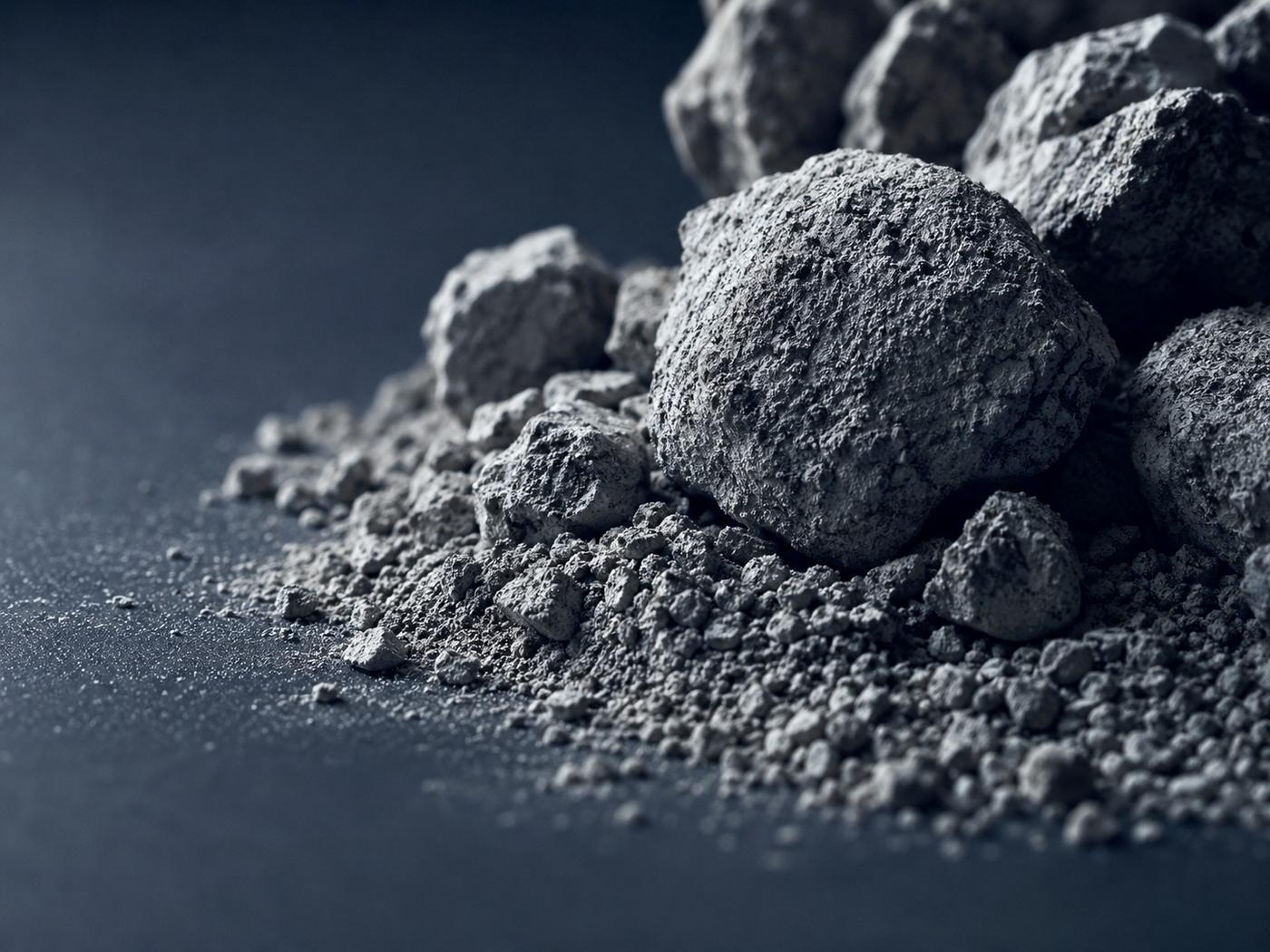
- Cement and clinker carry high process emissions from decarbonation.
- The cost effect per tonne is higher than for many other CBAM goods.
- Even moderate import volumes can show up noticeably in the budget.
Why cement weighs especially heavy
Burning clinker decarbonates limestone. CO2 is released from the material itself, not only from combustion. These process emissions are hard to avoid and are the reason cement and clinker carry a high specific emission balance. For the CBAM that means a comparatively high certificate burden can fall on each tonne of goods.
Even smaller volumes count
With steel the issue is volume. With cement it is intensity. Even a moderate importer can see a relevant cost effect through the high emission balance. The 50-tonne threshold is the first check here too, but the real question is the cost side.
Data and preparation
Establish early which CN codes among your imports are affected and whether your supplier can deliver actual emission values. Given cement's high intensity, the difference between real data and default values is especially worth having. An indicative cost calculation gives you a realistic picture early.
Written and maintained by the EnergyFlow Regulatory Desk, the CBAM-focused division of EnergyFlow GmbH. As of June 2026. Legal basis: Regulation (EU) 2023/956, amended by the Omnibus Regulation (EU) 2025/2083 (Official Journal of the EU, 17 October 2025). Primary sources: EUR-Lex and the official CBAM page of the European Commission.
Information on the CBAM is given to the best of our knowledge, as of June 2026, without guarantee. Dynamic values such as certificate prices, default values and deadlines can change. The applicable legal acts and the competent authorities are decisive. This article is not legal, tax or customs advice.
What does this mean for your imports?
General explanations are a start. The CBAM Decision File examines your specific case in seven working days.